


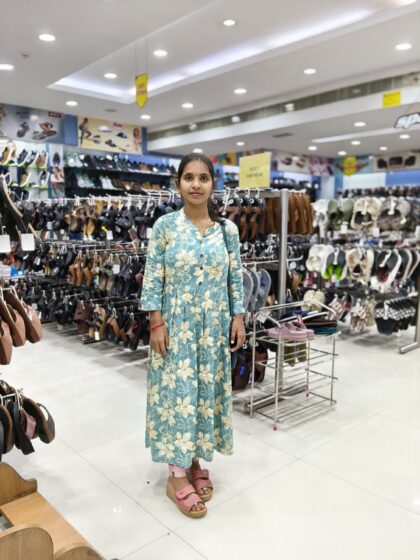
That’s a lovely Rayon Kurti you’ve shared! The light green color, vertical stripe pattern, and delicate floral print, combined with the tassel detail at the neckline, give it a stylish and comfortable look.
Rayon is a very popular fabric for Kurtis due to its attractive features. Here is some general information about Rayon Kurtis:
🌿 What is a Rayon Kurti?
A Rayon Kurti is an Indian ethnic tunic-style garment made from Rayon fabric. Rayon is a semi-synthetic fiber derived from natural sources like wood pulp (cellulose).
* Feel: It is known for being incredibly soft, smooth, and often having a beautiful, slight sheen, sometimes called “artificial silk.”
* Drape: Rayon fabric drapes very gracefully, giving the garment an elegant and flowy silhouette.
* Comfort: It’s lightweight and breathable, making Rayon Kurtis a great choice for warm and humid weather, including summer.
* Vibrancy: It holds color and print very well, resulting in rich, vibrant designs.
👗 Popular Styles and Occasions
Rayon Kurtis come in a wide variety of styles, suitable for different occasions:
* Straight Cut: Like the one in your image, these are comfortable and excellent for daily wear or office wear.
* A-Line: Flared from the waist, offering a more voluminous and festive look.
* Anarkali: Features a long, flared silhouette that is perfect for parties and festive occasions.
* High-Low: An asymmetrical hemline (shorter in the front, longer at the back) for a contemporary, Indo-Western flair.
* Kaftan Style: Relaxed and loose-fitting, ideal for all-day comfort.
✨ Care and Maintenance Tips
While rayon is soft and beautiful, it requires a little care to maintain its quality:
* Washing: It’s best to hand-wash or use a gentle cycle on the machine with cold water. Rayon can be prone to shrinking if washed in hot water.
* Drying: Avoid wringing out the fabric. Lay the kurti flat to dry or hang it on a padded hanger in the shade, as direct sunlight can sometimes cause fading.
* Ironing: Iron on a medium-low setting while the garment is still slightly damp, and it’s always best to iron on the reverse side to protect any prints or embroidery.


Description
Additional information
| Size | L |
|---|
Related products
Out Of Stock

Foil print
₹549.00
-17%
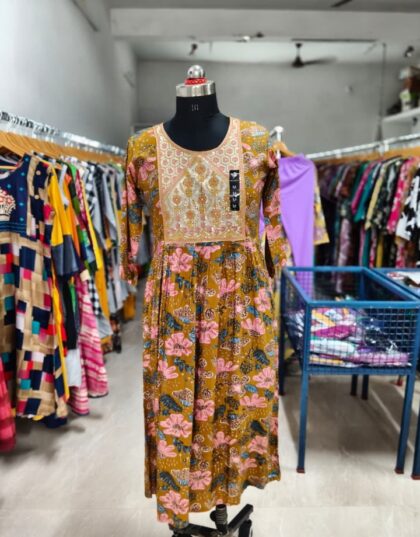


-17%
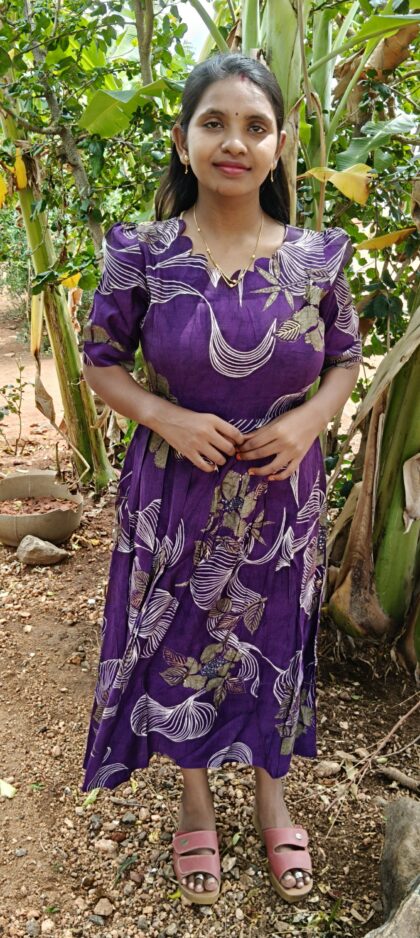
Purple 💜 colour Maxis
₹749.00
-13%
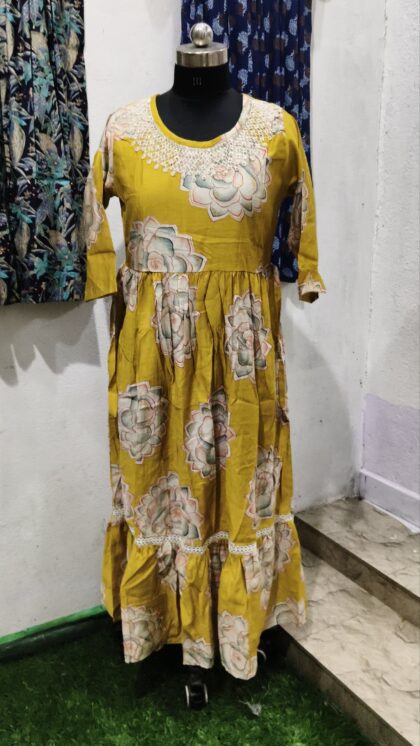

Maxis
₹649.00
-19%

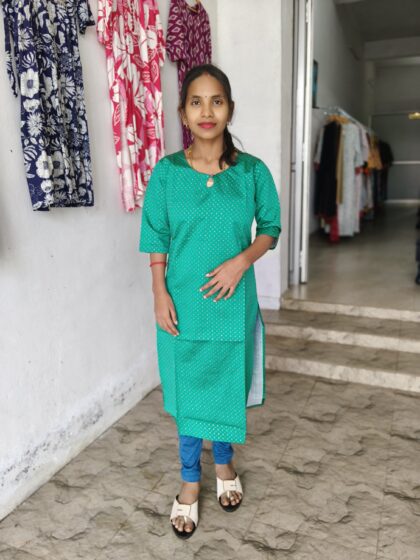
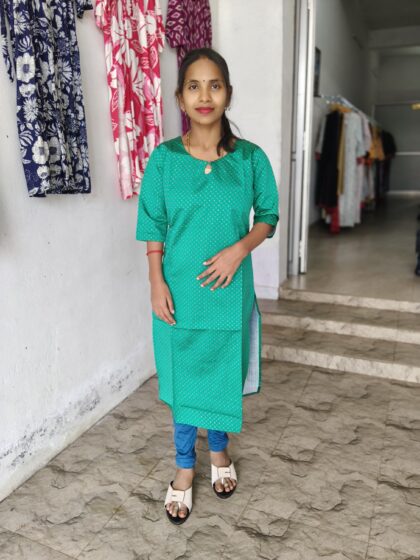
Khushi brand
₹499.00
-60%
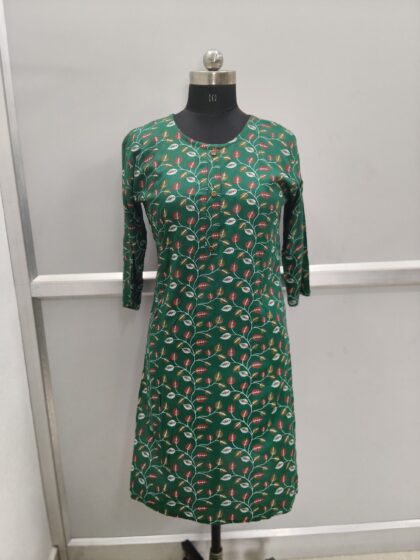
Regular Wear kurtis
₹99.00
-19%
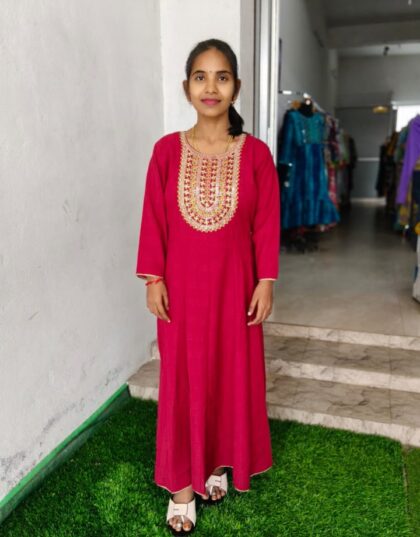
Recently Viewed
-15%

Hokopa long maxis
₹849.00
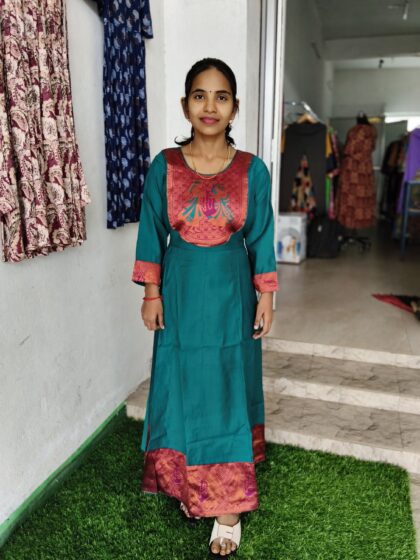

Traditional wear
₹649.00
-12%

Foil Rayon umbrella Maxis
₹749.00
-12%
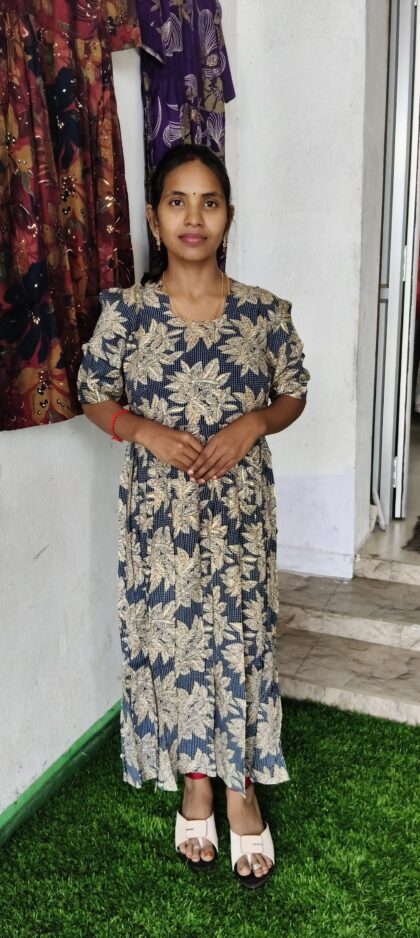
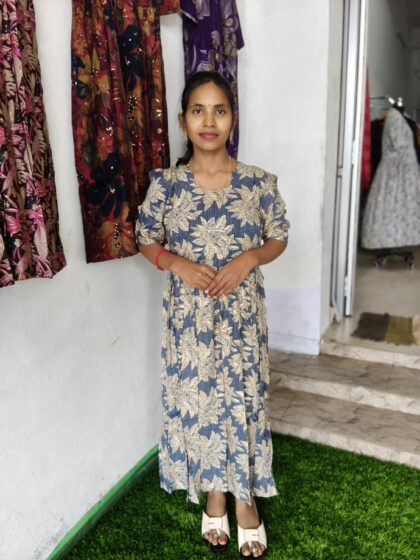
Foil Rayon umbrella Maxis
₹749.00
-12%
Foil Rayon umbrella Maxis
₹749.00


There are no reviews yet.